
Cyberworld Guru Inc. | Digital Marketing Services, Islamabad

Latest

The Secret Data Your Favorite Apps Are Collecting Without You Knowing

IntroductionIn today’s connected world, mobile apps make our lives easier—but at what cost? Many of your favorite apps are quietly collecting data behind the scenes. From location tracking to behavioral analytics, this hidden data shapes what you see online and how companies target you.1. What Kind of Data Are Apps Collecting?Apps collect more than just your name or email. They track your location, device information, browsing habits, voice commands, and even how long you look at certain content. This information helps developers understand your behavior—but also creates privacy risks. 2. How Is This Data Used?Most companies use this data for personalized advertising and product recommendations. However, in some cases, third-party access or weak security measures can expose sensitive information to hackers or marketers. 3. Why It MattersYour personal data is valuable. Every tap, click, and scroll can tell companies about your lifestyle, preferences, and habits. Being aware of this helps you take control—by adjusting app permissions and using privacy settings wisely.ConclusionDigital convenience shouldn’t come at the cost of your privacy. Stay informed, use trusted apps, and regularly review app permissions to keep your data secure.
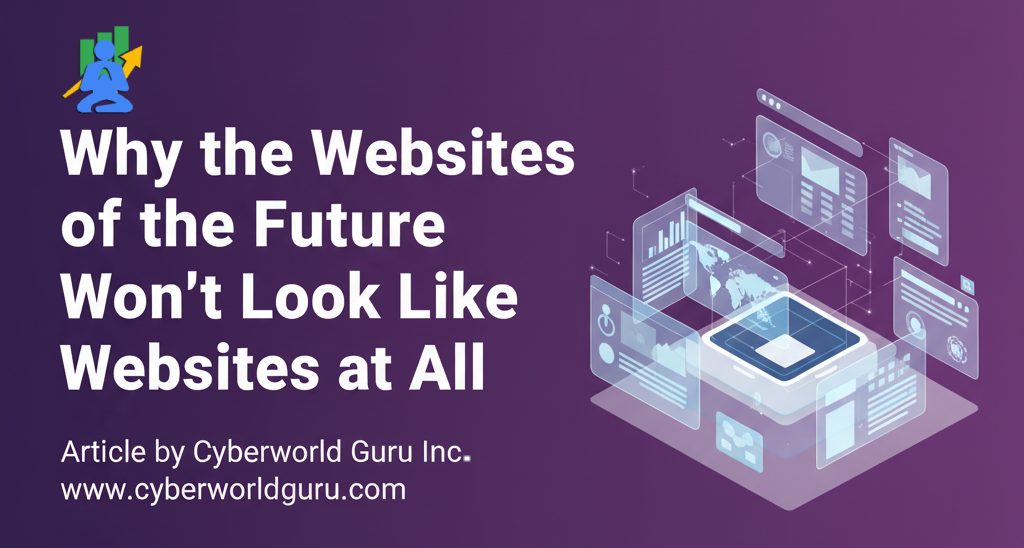
Why the Websites of the Future Won’t Look Like Websites at All

IntroductionThe way we experience websites is changing fast. Traditional static pages are being replaced by interactive, AI-driven experiences that feel more like digital apps than websites.1. The Shift Toward InteractivityFuture websites will focus less on menus and pages—and more on personalized, conversational design. Imagine landing on a site where an AI assistant guides you instead of static text or buttons. 2. Immersive and Adaptive DesignWeb 4.0 will introduce 3D visuals, voice navigation, and real-time customization. Websites will adapt to user mood, preferences, and location, creating a seamless digital journey. 3. Integration of AI and ARAI chatbots, augmented reality previews, and virtual shopping environments are already redefining user experiences. These innovations will blur the line between websites, apps, and digital spaces. ConclusionThe “webpage” as we know it is evolving. The future belongs to intelligent digital environments that engage, predict, and adapt—creating experiences that feel alive.

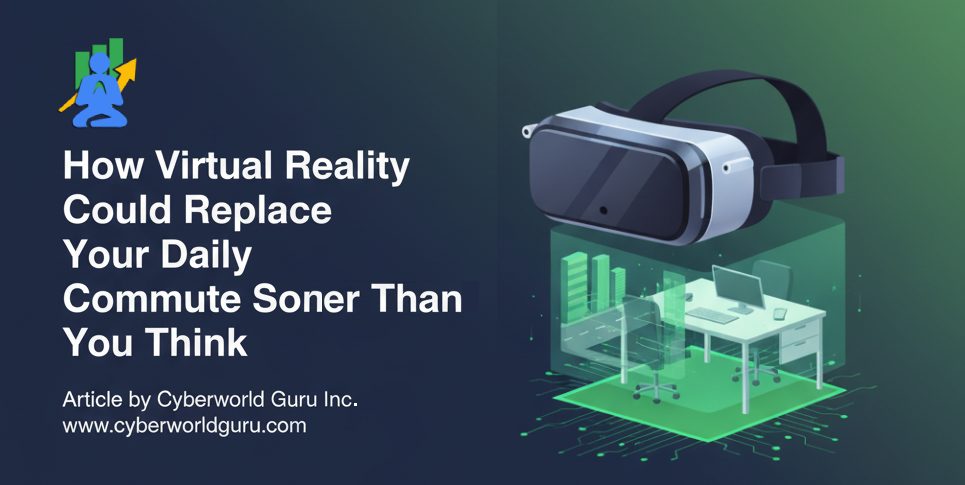
How Virtual Reality Could Replace Your Daily Commute Sooner Than You Think

IntroductionImagine starting your workday without leaving your home—but still sitting in a fully interactive virtual office. With advances in virtual reality (VR), this future is closer than you think. 1. The Rise of Virtual WorkspacesTech giants are developing VR platforms that simulate real-world offices. You can collaborate, attend meetings, and brainstorm ideas with teammates—all through immersive digital environments. 2. Benefits of a VR CommuteNo traffic, no pollution, and no wasted time. A VR commute improves productivity and reduces stress while keeping remote teams connected and engaged.3. Challenges and the Road AheadWhile VR headsets are becoming more affordable, challenges like motion sickness and network speed still exist. However, as 5G and AI improve, these barriers will fade quickly. ConclusionThe way we “go to work” is changing forever. Virtual reality offers a sustainable, efficient, and interactive alternative to daily travel—one that could redefine our work-life balance.

How Quantum Computing Might Secretly Reshape Your Everyday Life

Beyond Supercomputers Quantum computing is often described as too advanced or distant to impact daily life. But the truth is, this technology could soon transform everything from online security to how we shop. At Cyberworld Guru Inc., we believe understanding quantum computing today means staying ahead of tomorrow’s digital shifts. 2. What Is Quantum Computing? Unlike traditional computers that process data in binary (0s and 1s), quantum computers use qubits that can represent multiple states at once. This allows them to solve problems that would take normal computers millions of years. 3. Everyday Applications on the Horizon Online security: Quantum encryption could make data almost unhackable. Healthcare: Quantum simulations could speed up drug discovery. Finance: Banks could predict risks and market trends with unprecedented accuracy. E-commerce: Personalized shopping experiences powered by quantum AI. Logistics: Smarter supply chains with real-time optimization. These advancements will trickle down into daily life in ways we won’t even notice. 4. Challenges Before Mainstream Adoption Cost: Quantum computers are extremely expensive to build. Complexity: Few experts truly understand how to program them. Energy demands: Current quantum systems require highly controlled environments. Accessibility: Widespread commercial use is still years away. 5. Conclusion: Quantum in Daily Life By 2050, quantum computing may be as normal as cloud services today—quietly powering the apps, services, and transactions we rely on daily. At Cyberworld Guru Inc., we track these cutting-edge innovations to help businesses prepare. The quantum era is coming, and those who adapt early will enjoy a massive advantage in the digital economy.

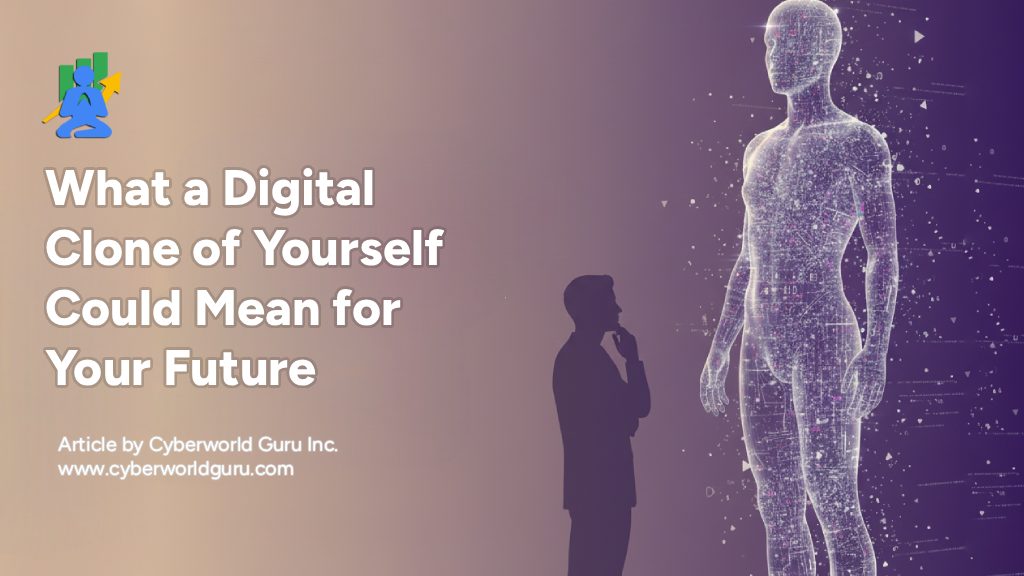
What a Digital Clone of Yourself Could Mean for Your Future

The Rise of Digital Clones Imagine having a digital version of yourself that works, learns, and even speaks like you—available online 24/7. Thanks to advances in AI, deep learning, and biometrics, this possibility is closer than ever. Digital clones could transform not just business, but identity itself. At Cyberworld Guru Inc., we explore how this trend will reshape the way we live and work. 2. What Exactly Is a Digital Clone? A digital clone is an AI-driven replica of a person created from: Voice recordings to mimic speech patterns. Behavioral data to simulate decision-making. Appearance modeling using 3D scans or avatars. Knowledge integration to replicate expertise. In short, it’s your digital twin—ready to act on your behalf. 3. Benefits of Digital Clones Business productivity: Your clone can attend meetings or answer customer inquiries. Education: Students could learn from digital versions of expert teachers. Healthcare: Clones could assist in therapy or patient monitoring. Personal legacy: Digital selves could live on beyond one’s lifetime. 4. Concerns and Ethical Questions Privacy: Who owns your digital identity? Misuse: Clones could be hacked or manipulated. Authenticity: How do we distinguish between the real and the clone? Emotional impact: What happens if a clone continues after someone is gone? These issues make digital cloning one of the most debated future technologies. 5. Conclusion: Living With Your Digital Self By 2050, digital clones may be common in business and daily life. They won’t just represent us—they’ll expand what we can achieve. At Cyberworld Guru Inc., we help businesses prepare for an age where digital identity goes beyond profiles and passwords. The future may include not just your online presence—but your digital self.

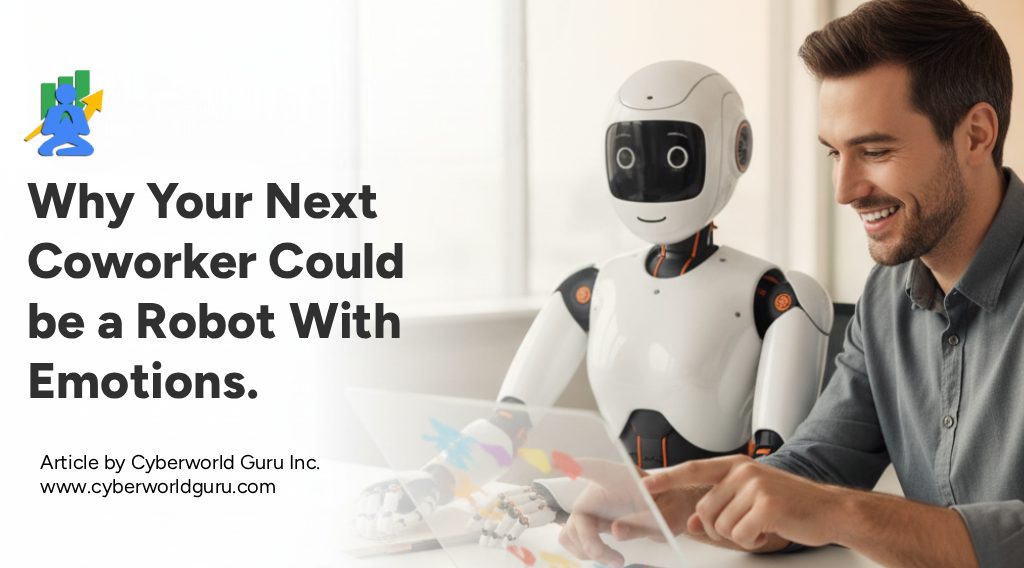
Why your next coworker could be a robot with emotions

Beyond Automation Robots are already part of manufacturing and logistics, but the next frontier is the workplace. Thanks to advances in Artificial Intelligence (AI) and emotional recognition technology, future robots won’t just perform tasks—they’ll respond emotionally. Your next coworker may laugh at your jokes, encourage you during a tough day, and collaborate just like a human colleague. 2. The Rise of Emotional AI Robots with emotions aren’t about feelings—they’re about simulating empathy. Using AI, sensors, and facial recognition, these robots can: Detect human emotions through tone, gestures, and expressions. Respond with empathy to boost teamwork. Adapt behavior based on workplace culture. Learn from interactions to improve collaboration. 3. Benefits of Emotional Robots at Work Improved teamwork: Robots can reduce tension by responding empathetically. Efficiency: Machines handle repetitive tasks while humans focus on creativity. Accessibility: Robots can support employees with disabilities. 24/7 availability: Work continues without fatigue or burnout. 4. Challenges and Ethical Concerns Trust issues: Will humans accept robots as “coworkers”? Job displacement: Some roles may be replaced. Ethical dilemmas: Should robots “fake” emotions? Dependency risks: Overreliance on machines could reduce human connections. 5. Conclusion: The Human-Robot Workplace By 2050, emotional robots could become as normal as laptops in the office. Far from replacing humans, they’ll enhance collaboration in ways we’re only beginning to imagine. At Cyberworld Guru Inc., we guide businesses through these technological shifts, ensuring they adopt robotics and AI responsibly—balancing efficiency with empathy in the workplace of the future.

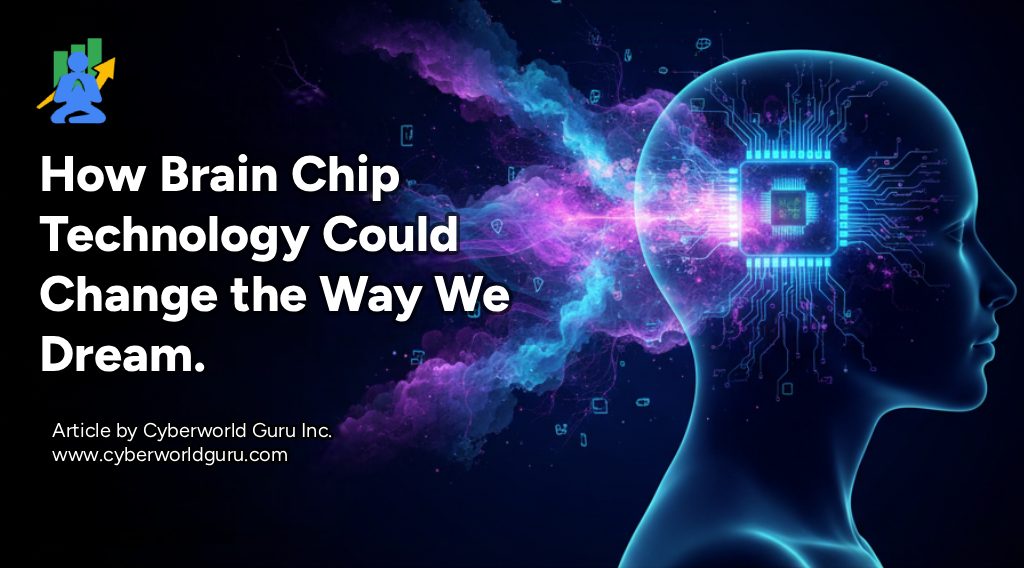
How brain chip technology could change the way we dream

From Science Fiction to Reality Brain chips sound like something out of a sci-fi movie, but technology is moving fast. Scientists are already experimenting with neural interfaces that connect the brain to computers. One of the most fascinating (and controversial) possibilities? Influencing and recording our dreams. At Cyberworld Guru Inc., we explore these future technologies to help businesses prepare for what’s coming next. 2. How Brain Chips Work Brain-computer interfaces (BCIs) use sensors to detect brain signals and translate them into digital commands. In the future, these chips could: Stimulate specific areas of the brain to influence dreams. Record dream activity for playback and analysis. Enable “lucid dreaming” on demand. This could turn dreams into a new form of entertainment or therapy. 3. Potential Benefits Mental health treatment: Dreams could be shaped to reduce anxiety or trauma. Creativity: Artists and innovators could use dreams for inspiration. Education: Learning in dreams could accelerate skill acquisition. Entertainment: Imagine “dream experiences” as a new media industry. 4. The Concerns and Risks Privacy: Do we want companies accessing our dreams? Addiction: Escaping into dream worlds instead of reality. Ethical dilemmas: Who controls the content of your dreams? Health risks: Long-term impacts of brain chips are still unknown. 5. Conclusion: Dreaming in the Digital Age By 2050, dreams may not be entirely private or random anymore—they may be programmable. At Cyberworld Guru Inc., we track these advancements because they don’t just impact individuals; they reshape industries. Businesses that stay ahead of brain-chip technology will be ready for the most radical shifts in human experience.

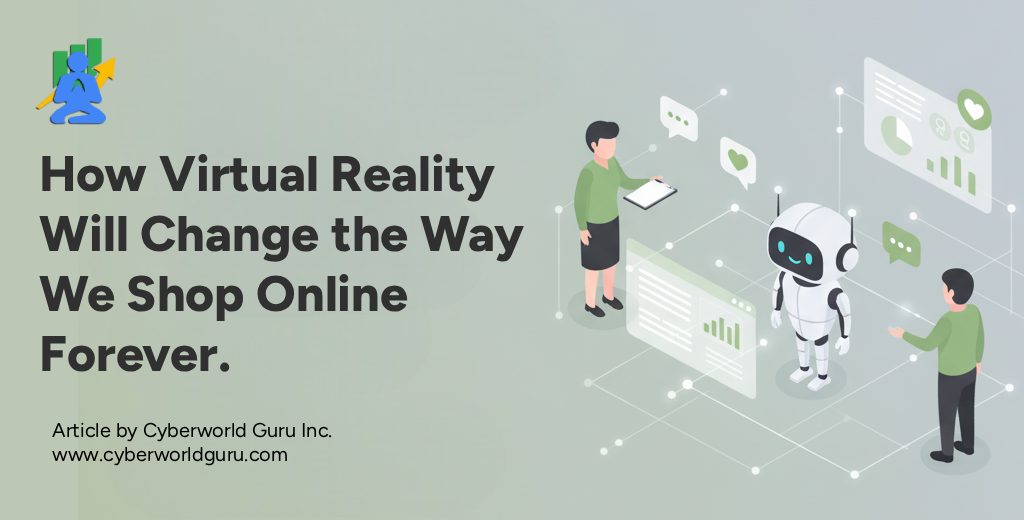
How Virtual Reality Will Change the Way We Shop Online Forever

The Future of Online Shopping E-commerce has already transformed retail, but the next revolution is on the horizon: Virtual Reality (VR). Imagine walking through a digital store, picking up products, and trying them out—all from your living room. At Cyberworld Guru Inc., we believe VR is set to redefine how businesses and customers interact in the digital marketplace. 2. Why VR Shopping is a Game-Changer Unlike traditional online shopping, VR offers: Immersive product exploration (try before you buy). 3D environments that simulate real stores. Interactive experiences that engage customers. Personalized shopping journeys tailored to preferences. This level of immersion builds confidence and reduces hesitation in purchasing decisions. 3. The Benefits for Businesses and Customers For Customers: VR shopping reduces uncertainty, especially with clothes, furniture, or gadgets. For Businesses: It lowers returns, increases engagement, and provides valuable insights into customer behavior. For Brands: It creates memorable, shareable experiences that boost loyalty. 4. The Tech Behind VR Shopping VR commerce is made possible by: AI-powered recommendation engines. High-speed 5G networks for real-time rendering. Cloud computing to handle large-scale virtual environments. Augmented Reality (AR) integrations for mobile shopping. Together, these technologies create smooth, life-like shopping experiences. 5. Challenges on the Path to Adoption VR shopping faces hurdles, including: High equipment costs for consumers. Need for fast internet and powerful devices. Skepticism among traditional shoppers. Development costs for brands entering VR spaces. But as technology becomes more affordable, these challenges will fade. 6. Conclusion: Shopping in the Virtual Future By 2050, VR shopping could become as normal as browsing an online store today. Businesses that embrace it early will have a massive competitive edge. At Cyberworld Guru Inc., we help brands prepare for this future by integrating immersive digital experiences into their marketing strategies. From virtual showrooms to interactive product demos, we create experiences that turn browsing into buying.

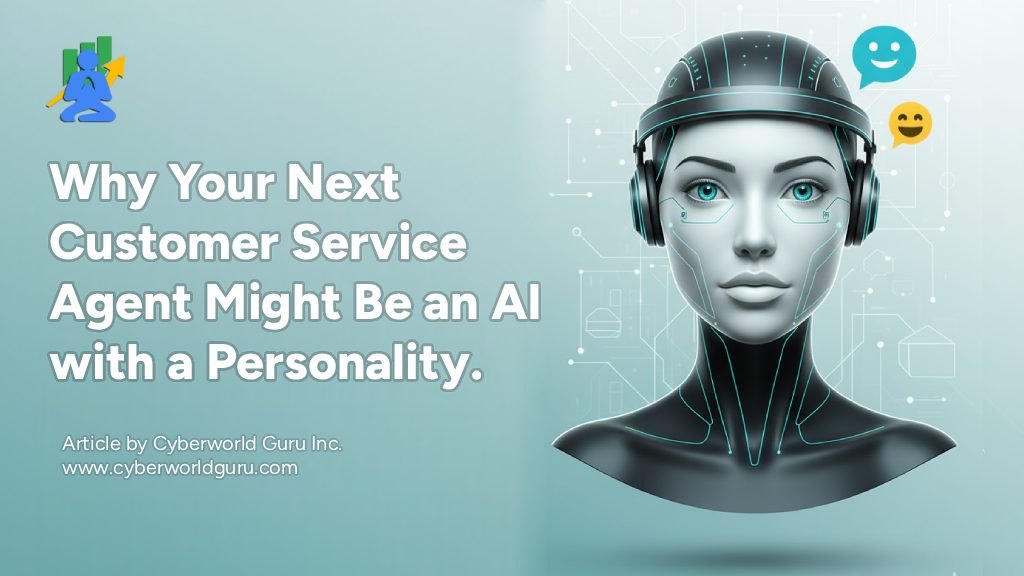
Why Your Next Customer Service Agent Might Be an AI with a Personality

The Shift in Customer Experience Customer service has always been at the heart of business success. But in today’s fast-paced digital world, customers expect instant responses, 24/7 availability, and personalized interactions. This is where AI-driven virtual agents are stepping in—not just to provide answers, but to hold conversations that feel human. At Cyberworld Guru Inc., we see AI as more than automation—it’s the future of customer engagement. 2. What Makes AI-Powered Agents Different? Unlike traditional chatbots that rely on scripted answers, next-generation AI agents use: Natural Language Processing (NLP) to understand human language. Machine Learning (ML) to learn from past interactions. Sentiment Analysis to detect emotions in customer messages. Custom Personalities that align with a brand’s tone of voice. These agents don’t just respond—they connect. 3. The Benefits of AI Customer Service AI-powered support offers businesses: 24/7 availability without staffing challenges. Instant resolution for common queries. Consistency in tone across all interactions. Scalable support during peak hours. Personalized recommendations based on customer history. This makes customer service faster, smarter, and more cost-effective. 4. The Human Touch in AI One surprising trend is the rise of AI with personalities—agents that can be empathetic, humorous, or professional depending on brand strategy. Instead of robotic replies, customers get engaging conversations that improve trust and satisfaction. 5. Challenges to Consider Of course, AI isn’t without limitations: Complex queries may still require human intervention. Data privacy must be carefully protected. Over-automation can feel impersonal if not balanced correctly. The solution lies in blending AI with human oversight for the best experience. 6. Conclusion: The Future of Customer Engagement By 2030, AI agents are projected to handle the majority of first-line customer interactions. Businesses that embrace this technology today will lead tomorrow in customer experience. At Cyberworld Guru Inc., we help companies integrate AI-powered customer service tools that don’t just answer questions—they create meaningful connections. Whether you want to cut response times, scale support, or redefine customer experience, we’ll help you do it with AI that speaks your brand’s language.

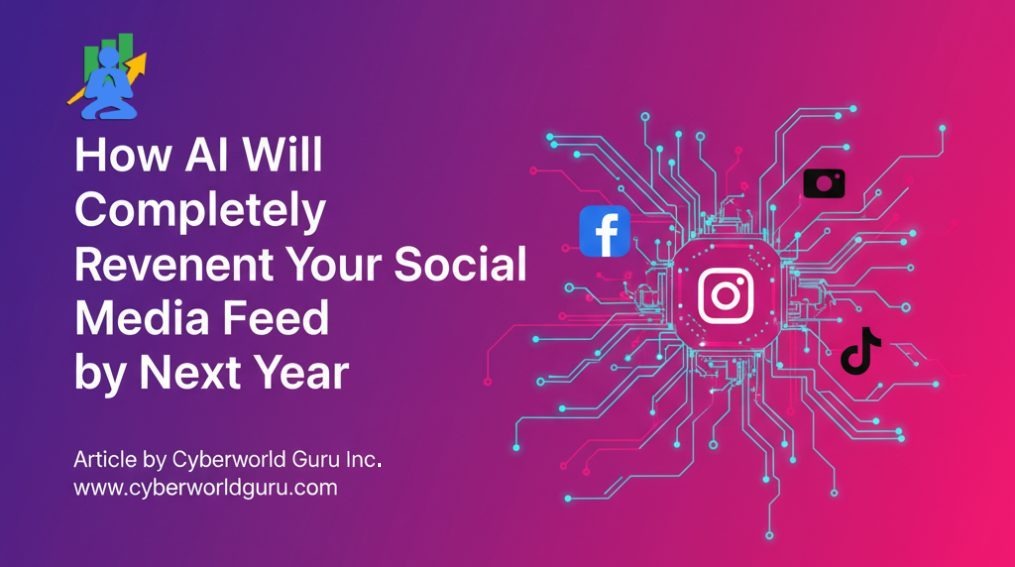
How AI Will Completely Reinvent Your Social Media Feed by Next Year

Social Media’s Next Big Shift Your social media feed already looks different from five years ago—but the changes coming in the next 12 months will be even bigger. Artificial Intelligence is set to completely reinvent how you consume content online, and brands need to prepare now. 2. Personalized Feeds Like Never Before AI algorithms will deliver hyper-personalized feeds that predict what users want before they even search. Imagine seeing posts tailored to your mood, location, or even shopping habits in real time. 3. The Rise of AI-Generated Influencers Virtual influencers, powered by AI, are already gaining massive followings. These digital personalities don’t sleep, don’t make mistakes, and can engage with audiences 24/7. By next year, expect to see more brands partnering with AI-driven influencers to reach younger audiences. 4. Predictive Engagement: Content Before You Ask AI won’t just react to your clicks—it will anticipate your interests. That means businesses must create content that’s ready to surface when the algorithm predicts a user’s need. 5. Implications for Brands and Ads This shift means: Traditional ad targeting will give way to AI-driven recommendations. Brands will need to focus on authenticity and trust as feeds become saturated with AI content. Engagement strategies must prioritize value and personalization. 6. Conclusion: Adapting Your Strategy for an AI-Driven Feed AI will reshape not just what users see but also how brands connect with them. Companies that adapt quickly will thrive in this new landscape. At Cyberworld Guru Inc., we design AI-ready social media strategies that help businesses stay visible, relevant, and engaging. If you want your brand to stand out in tomorrow’s feeds, contact us today.

Call us