

Cyberworld Guru Inc. | Digital Marketing Services, Islamabad

Blog - Cyberworld Guru Inc.

Top 10 Social Media Marketing Trends You Must Know in 2024

The Ever-Changing Social Media Landscape The world of social media is like a bustling marketplace – constantly evolving and brimming with new trends. What worked yesterday might not resonate today, and staying ahead of the curve is crucial for any business hoping to thrive in the digital age. New platforms emerge, user behaviors shift, and social media marketing trends need to adapt accordingly. Harness the Power of Social Media Marketing Trends This blog post will equip you with the top 10 Social Media Marketing Trends you need to know in 2024. By understanding these trends and incorporating them into your social media strategy, you can effectively connect with your target audience, amplify your brand awareness, and ultimately achieve your business goals. A Sneak Peek at the Top Trends We’ll be diving into a range of exciting trends, including the continued dominance of short-form video content, the growing influence of micro-influencers, and the increasing importance of fostering strong online communities. We’ll also explore how to leverage user-generated content, craft compelling stories, and personalize your content to resonate with your audience on a deeper level. Stay tuned as we unpack these trends and provide actionable tips to help you elevate your social media marketing game in 2024! The Rise of Short-Form Video: A Top Social Media Marketing Trend in 2024 The dominance of short-form video content is undeniable and remains a major force in the ever-evolving landscape of social media marketing trends [Social Media Marketing Trends]. Platforms like TikTok and Instagram Reels have exploded in popularity, captivating audiences with bite-sized videos that entertain, educate, and inspire. This shift in user behavior presents a golden opportunity for businesses to connect with their target audience in a more engaging and impactful way. Here’s how you can leverage the power of short-form video: By incorporating short-form video into your social media strategy, you can stay ahead of the curve, boost engagement, and achieve your marketing goals in 2024. The Power of Authenticity: Building Trust in the Age of Social Media Marketing In a world saturated with picture-perfect feeds and carefully curated content, consumers crave genuineness. This is where authenticity emerges as a powerful force in the ever-changing landscape of social media marketing trends. People connect with brands they perceive as real and relatable. By embracing authenticity, you can build trust with your audience, fostering stronger connections and loyalty. Here’s how to weave authenticity into your social media strategy: By prioritizing authenticity, you can build lasting relationships with your audience and carve a unique space in the ever-competitive world of social media marketing. The Influencer Shift: Micro and Nano Stars Take Center Stage in Social Media The landscape of influencer marketing is undergoing a significant shift. While mega-influencers with millions of followers still hold some sway, brands are increasingly turning to micro and nano-influencers to elevate their social media marketing strategies. Why the Rise of Micro and Nano Influencers? Micro-influencers typically boast followings between 10,000 and 50,000 followers, while nano-influencers have even smaller but highly engaged communities. These smaller influencers offer several advantages: Leveraging Micro and Nano Influencers Here’s how you can harness the power of micro and nano-influencers for your brand: By embracing the micro and nano-influencer revolution, you can tap into a powerful force in today’s social media marketing landscape and achieve your brand awareness and engagement goals. User-Generated Content (UGC) Reigns Supreme: A Powerful Tool in Social Media Marketing In the ever-evolving world of social media marketing, user-generated content (UGC) has become a game-changer. This refers to content created by your audience – anything from photos and videos featuring your products to reviews and social media posts mentioning your brand. The power of UGC lies in its authenticity. People trust recommendations from real people more than heavily-produced marketing content. Here’s why UGC is king: Harnessing the Power of UGC So, how can you leverage UGC to elevate your social media marketing strategy? By embracing UGC, you can tap into a powerful resource that strengthens brand loyalty, boosts engagement, and ultimately fuels your social media marketing success. The Art of Storytelling: Captivate Your Audience Humans are wired for stories. They have the power to evoke emotions, spark conversation, and leave a lasting impression. In the age of social media, where attention spans are fleeting, storytelling has become an art form for savvy marketers. The Power of Storytelling in Social Media Marketing By weaving compelling narratives into your social media content, you can: Crafting Stories for Social Media Success Here are some tips for incorporating storytelling into your social media marketing strategy: By mastering the art of storytelling, you can transform your social media presence and forge genuine connections with your audience in today’s competitive social media marketing landscape. Community Building: Quality Over Quantity in Social Media Marketing Trends In the past, social media marketing often focused on amassing a large follower count. Today, however, the focus has shifted towards fostering strong, engaged communities. Quantity takes a backseat to quality, with brands prioritizing meaningful interactions and genuine relationships with their audience. Why Community Building Matters Cultivating a vibrant online community offers significant benefits: Building a Thriving Social Media Community Here are some key strategies to cultivate a thriving social media community: By prioritizing quality interactions and building a strong online community, you can cultivate a loyal brand following and achieve lasting success in the ever-evolving world of social media marketing. Social Listening: Unveiling Your Audience’s Voice In today’s dynamic social media landscape, simply posting content is no longer enough. To stay ahead of the curve, successful brands actively listen to what their audience is saying. This is where social listening comes in. What is Social Listening? Social listening involves monitoring online conversations about your brand, industry, and competitors across various social media platforms. It’s like having your ear to the ground, gaining valuable insights into your audience’s needs, preferences, and brand perception. Benefits of Social Listening By implementing social listening, you can: Getting Started with Social Listening Here are some initial steps to leverage

Read More »
LinkedIn for B2B Marketing

Leveraging LinkedIn for B2B Marketing Success

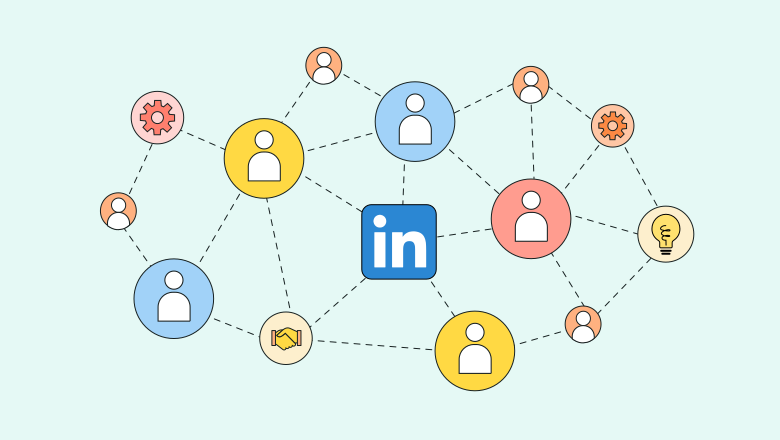
The Untapped Potential of LinkedIn for B2B Marketing Success In today’s digital marketing landscape, reaching the right audience is crucial for B2B businesses. While various platforms offer valuable tools, LinkedIn stands out as a powerful and targeted resource for B2B marketing success. Why is LinkedIn for B2B Marketing so Effective? LinkedIn boasts a unique user base of over 830 million professionals, creating a concentrated pool of potential decision-makers and industry influencers. This platform allows businesses to connect directly with their target audience, fostering meaningful relationships and brand awareness. Unlike other social media channels, LinkedIn fosters a professional environment perfect for establishing thought leadership and showcasing expertise. This targeted approach sets LinkedIn apart from other marketing channels. B2B marketers can leverage a variety of features to generate leads, build brand reputation, and ultimately drive business growth. Stay tuned for the next sections where we delve deeper into how you can leverage LinkedIn for B2B marketing success. We’ll explore strategies for optimizing your profile, expanding your network, and creating high-quality content that resonates with your target audience.   Why Leverage LinkedIn for B2B Marketing Success? While many social media platforms cater to a general audience, LinkedIn for B2B marketing offers a unique advantage: a concentrated pool of professionals. With over 830 million users, LinkedIn boasts a massive network of decision-makers, industry leaders, and potential clients – the perfect audience for B2B businesses. Here’s a closer look at why LinkedIn stands out for B2B marketing: In short, LinkedIn for B2B marketing provides a powerful platform to connect with the right audience, build trust, and ultimately drive business growth. By utilizing the platform’s unique features and functionalities, B2B businesses can achieve significant marketing success. The next section will delve into how to optimize your LinkedIn profile for B2B marketing impact.   Optimizing Your LinkedIn Profile for B2B Marketing Success Your LinkedIn profile is your digital storefront on LinkedIn for B2B marketing. A well-crafted profile creates a strong first impression, showcases your expertise, and attracts potential clients. Here’s how to optimize your profile for B2B marketing impact: Crafting a Compelling Headline Your headline is prime real estate. It’s the first thing people see, so make it count. Go beyond just your job title. Instead, use strong keywords relevant to your industry and highlight your unique value proposition. For example, instead of “Marketing Manager,” consider “B2B Marketing Expert | Driving Growth for Tech Startups.” Building a Powerful About Section The About section is your chance to tell your professional story. Don’t just list your duties; explain how your skills and experience benefit B2B clients. Use keywords strategically and quantify your achievements whenever possible. Optimizing Your Experience Section Don’t just list your past jobs. For each position, showcase your accomplishments and contributions. Use action verbs and quantifiable results to demonstrate the impact you made. Leveraging Keywords Strategic keyword use is essential for getting found on LinkedIn for B2B marketing. Integrate relevant keywords throughout your profile, but prioritize readability. Don’t stuff keywords unnaturally. Adding Visual Appeal A professional headshot is a must. Consider using a high-quality background image that reflects your brand or industry. Showcasing Your Skills & Endorsements Highlight your key skills and encourage connections to endorse them. This builds credibility and showcases your expertise. By following these tips, you can create a LinkedIn profile that positions you as a valuable asset for potential B2B clients. The next section will explore strategies for expanding your professional network on LinkedIn.   Building Your Network: The Cornerstone of LinkedIn for B2B Marketing A strong network is the foundation of success on LinkedIn for B2B marketing. By connecting with relevant professionals and industry leaders, you expand your reach, gain valuable insights, and generate leads. Here are effective strategies for building your LinkedIn network: Leveraging Your Existing Network Start by connecting with colleagues, former classmates, and business contacts. These initial connections can lead to introductions and expand your network organically. Joining Industry Groups LinkedIn groups are a goldmine for connecting with potential clients and industry professionals. Join groups relevant to your niche and actively participate in discussions. Share your expertise, ask insightful questions, and build relationships with other group members. Engaging with Content Don’t be a passive observer. Like, comment on, and share content from thought leaders and influencers in your industry. This positions you as engaged and knowledgeable, increasing your visibility. Connecting with Your Ideal Clients Utilize LinkedIn’s advanced search filters to identify your ideal B2B clients. Search by job title, company size, industry, and location. Craft personalized connection requests highlighting your value proposition and how you can benefit their business. Following Companies Follow companies you’d like to do business with. This keeps you updated on their activities and allows you to connect with relevant employees. The Power of Recommendations Positive recommendations from colleagues and clients add credibility to your profile. Don’t hesitate to ask for recommendations after collaborating on a project or delivering strong results. By consistently implementing these strategies, you’ll cultivate a robust network that fuels your B2B marketing efforts on LinkedIn. The next section will explore how to leverage content marketing to establish yourself as a thought leader.   Content Marketing on LinkedIn: Become a Thought Leader in Your Industry Content marketing is a powerful tool for establishing yourself as a thought leader on LinkedIn for B2B marketing. By sharing valuable and insightful content, you demonstrate expertise, attract potential clients, and build trust with your network. Sharing High-Quality Content: Focus on creating informative and engaging content relevant to your target audience’s B2B challenges and interests. Here are some content formats to consider: Optimizing Your Content for Reach: Promoting Your Content: Don’t just publish content and hope people see it. Promote your content by sharing it on your LinkedIn profile, company page, and relevant groups. Utilize LinkedIn’s publishing platform to reach a wider audience. By consistently creating and sharing valuable content, you establish yourself as a trusted resource within your industry. This not only positions you for B2B marketing success but also attracts potential clients seeking your

Read More »
How to Become a Successful Freelance Web Designer

How to Become a Successful Freelance Web Designer

Introduction: Becoming a Successful Freelance Web Designer The digital world is booming, and the demand for skilled web designers has never been higher. If you’re passionate about creating user-friendly and visually appealing websites, then a career as a freelance web designer could be the perfect fit for you. Freedom and Flexibility: Freelance web designers enjoy the freedom of being their own boss. You set your hours, choose your projects, and work from anywhere with a computer and an internet connection. This flexibility allows you to tailor your work life to your needs and aspirations. Be Your Own Creative Director: As a freelance web designer, you’ll wear many hats. You’ll collaborate with clients to understand their vision, translate that vision into stunning website designs, and ensure the website functions flawlessly. The creative freedom you enjoy is unmatched. High Demand and Earning Potential: The skills of a talented freelance web designer are in high demand across various industries. This translates to a healthy earning potential. As you build your experience and reputation, you can command premium rates for your services. This path to becoming a successful freelance web designer is exciting, but it requires dedication and preparation. In the following sections, we’ll delve into the essential skills needed, how to build your design expertise, and establish yourself as a sought-after freelance web designer in the ever-evolving digital landscape. Essential Skills for Success: The Backbone of a Freelance Web Designer Equipping yourself with the right skillset is crucial for thriving as a freelance web designer. These skills can be broadly categorized into two main areas: design expertise and soft skills. Design Expertise: Soft Skills: By honing these essential skills, you’ll be well on your way to establishing yourself as a successful freelance web designer. In the next section, we’ll explore how to build your design expertise and craft a portfolio that showcases your talent to potential clients. Building Your Design Expertise: Sharpen Your Skills for Freelance Web Design Success Refining your design expertise is a continuous journey for any aspiring freelance web designer. Here, we’ll explore how to solidify your design knowledge and create a portfolio that grabs the attention of potential clients. Learning Resources: Building a Strong Portfolio: A strong portfolio is your calling card as a freelance web designer. It showcases your design skills, creativity, and ability to translate client needs into visually appealing and functional websites. Remember: Your portfolio is an ongoing project. Regularly update it with your latest and best work to stay relevant and competitive in the freelance web design market. In the next section, we’ll explore the concept of finding your niche and how specialization can benefit your freelance web design career. Finding Your Niche (Optional): Specialization for Freelance Web Design Success While not mandatory, specializing in a specific niche can be a strategic move for aspiring freelance web designers. Here’s why: Benefits of Specialization: Identifying Your Niche: Remember: Specialization is a personal decision. While it offers advantages, some freelance web designers prefer the flexibility of working with a broader range of clients. The key is to choose a path that aligns with your goals and interests. In the next section, we’ll delve into the practical steps involved in setting up your freelance web design business. Setting Up Your Freelance Business: The Foundation for Freelance Web Design Success So you’ve honed your skills and built a stellar portfolio. Now it’s time to transform your freelance web design dream into a reality. Here, we’ll cover the essential steps to set up your business and position yourself for success. Legal and Financial Considerations: Business Essentials: Building Your Brand: By following these steps, you’ll lay a solid foundation for your freelance web design business. In the next section, we’ll explore strategies for attracting clients and establishing yourself as a sought-after freelance web designer. Attracting Clients and Marketing Yourself: Building Your Client Base as a Freelance Web Designer So you’ve launched your freelance web design business – congratulations! Now it’s time to attract clients and turn your skills into a thriving business. Here are effective strategies to find and secure freelance web design projects: Freelance Platforms: Alternative Strategies: Building Your Online Presence: Remember: Client acquisition is an ongoing process. By implementing a multifaceted marketing strategy, you’ll consistently attract new clients and ensure the continued growth of your freelance web design business. In the next section, we’ll discuss how to deliver exceptional client service and build strong relationships that lead to repeat business and referrals. Delivering Excellent Client Service: The Hallmark of a Successful Freelance Web Designer In the competitive world of freelance web design, excellent client service is paramount. Building strong, trusting relationships with clients goes beyond simply delivering a well-designed website. Here’s how to ensure exceptional client service throughout your project lifecycle: Building Trust and Rapport: By prioritizing excellent client service, you’ll cultivate strong relationships that lead to repeat business, positive referrals, and a flourishing freelance web design career. In the final section, we’ll explore strategies to set competitive rates and ensure your freelance web design business thrives financially. Setting Competitive Rates and Earning a Living: Financial Success as a Freelance Web Designer As a successful freelance web designer, you deserve to be compensated fairly for your skills and expertise. This section will guide you through setting competitive rates and ensuring your freelance web design business thrives financially. Factors Affecting Your Rates: Determining Your Value: Negotiating Rates: Remember: Setting competitive rates is an ongoing process. Regularly review your rates as your experience grows and adjust them accordingly to ensure your freelance web design business remains profitable. Conclusion: The journey to becoming a successful freelance web designer is exciting and requires dedication. By following the steps outlined in this comprehensive guide, you’ll equip yourself with the necessary skills, build a strong foundation for your business, and establish yourself as a sought-after freelance web designer. Remember, continuous learning, excellent client service, and a strategic approach to marketing will pave the way for a thriving freelance web design career. Bonus Tip: Freelance

Read More »
The Ultimate Beginner's Guide to Web Design in 2024

The Ultimate Beginner’s Guide to Web Design in 2024

Introduction: Setting the Stage for Your Website Success In today’s digital age, having a strong online presence is crucial for businesses of all sizes. This is where web design comes in. Simply put, web design is the process of creating and shaping the visual and functional elements of a website. It encompasses everything from the layout and user interface (UI) to the content and overall functionality. Think of your website as your digital storefront or office. Just like a physical location, the design of your website plays a major role in first impressions. A well-designed website is inviting, informative, and easy to navigate. It provides a positive user experience (UX) that keeps visitors engaged and coming back for more. This translates to increased brand awareness, lead generation, and ultimately, business growth. Whether you’re a local business in Islamabad, Pakistan, or a company with a global reach, a well-designed website is essential for success. Here’s why: Remember, your website is often the first point of contact for potential customers. A well-designed website creates a positive first impression and sets the stage for your online success. Understanding Your Website Needs: A Client’s Perspective Before diving into the world of web design, it’s crucial to take a step back and understand your specific website needs. Here, we’ll explore some key questions to consider from a client’s perspective, helping you define your vision and goals for your online presence. What are your business objectives for your website? What do you hope to achieve with your website? Common goals include: Who is your target audience? Understanding your ideal customer is essential for creating a website that resonates with them. Consider factors like demographics, interests, and online behavior. A website designed for young professionals in Islamabad will likely look and function differently from one targeting retirees globally. Breaking Down Your Website’s Building Blocks Now, let’s look at the fundamental components that make up a website: By considering these aspects, you’ll be well on your way to defining your website goals and laying the foundation for successful web design. The Web Design Process: From Concept to Creation The journey of bringing your website vision to life involves a collaborative process called web design. This process typically involves several stages, ensuring a smooth transition from initial ideas to a fully functional website. Understanding the Stages of Web Design Collaboration is Key Throughout the entire web design process, Cyberworld Guru Inc. fosters open communication and collaboration with our clients. We believe in keeping you informed and involved at every step, from concept development to final website launch. This ensures the final product aligns perfectly with your vision and effectively represents your brand. Building a Strong Foundation: Essential Design Elements A successful web design rests on a solid foundation of key elements that contribute to both aesthetics and functionality. Let’s explore some of these essential components: 1. User Interface (UI) Design: This refers to the visual layout and overall look and feel of your website. A well-designed UI is not just visually appealing but also intuitive and user-friendly. Here at Cyberworld Guru Inc., our designers prioritize creating UIs that are easy to navigate and understand for a global audience. This ensures visitors from all over the world can find the information they need quickly and easily. Here are some key UI design aspects: 2. User Experience (UX) Design: UX design focuses on the user’s journey through your website. It ensures visitors can find the information they need easily and have a positive overall experience. Here, Cyberworld Guru Inc. emphasizes creating user flows that are intuitive and logical, catering to a global audience. Here are some key UX design aspects: 3. Content is King High-quality, informative, and engaging content is the backbone of any successful website. Effective content not only informs your visitors but also helps with search engine optimization (SEO), making your website more discoverable in global searches. Here are some key content aspects: By focusing on these essential design elements, you can build a strong foundation for a successful website that delivers a positive user experience and achieves your business goals, whether you’re targeting a local audience in Islamabad or aiming for a global reach. Optimizing for Search Engines (SEO): Getting Found Online In today’s digital world, a well-designed website is just the first step. To truly thrive online, you need your website to be discoverable by potential customers. This is where Search Engine Optimization (SEO) comes into play. What is SEO and Why Does it Matter for Web Design? SEO is the practice of optimizing your website to rank higher in search engine results pages (SERPs) for relevant keywords. When someone searches for terms related to your business online, you want your website to appear at the top of the search results. This increases website traffic, brand awareness, and ultimately, leads and sales. Local SEO for Islamabad Businesses For local businesses in Islamabad, SEO plays a crucial role in attracting local customers. By optimizing your website with relevant local keywords and citations, you can ensure your business shows up in local search results when people in Islamabad search for products or services you offer. Global SEO for a Wider Reach Effective SEO practices also contribute to a website’s global reach. By incorporating relevant keywords with broader search intent, you can attract potential customers from all over the world. This is particularly beneficial for businesses that offer online products or services. Cyberworld Guru Inc.: Your SEO Partner At Cyberworld Guru Inc., we understand the importance of SEO for successful web design. We offer SEO services to complement our web design expertise. Our team can help you: Remember, SEO is an ongoing process. As search engine algorithms evolve, so should your SEO strategy. By partnering with Cyberworld Guru Inc., you can ensure your website remains optimized for search engines, helping you attract new customers and achieve your business goals. Making it Mobile-Friendly: Responsive Design in 2024 In today’s mobile-driven world, a responsive web design is no longer an option;

Read More »
YouTube Marketing for Your Business: Zero to Hero in 2024

YouTube Marketing for Your Business: Zero to Hero in 2024

YouTube Marketing for Your Business: Zero to Hero in 2024 Why YouTube Marketing Should Be Your Business Strategy in 2024 The digital landscape is constantly evolving, and businesses need to adapt to stay ahead of the curve. In 2024, one platform continues to reign supreme for video content: YouTube. With over 2 billion monthly active users, YouTube marketing offers a massive potential audience for businesses of all sizes and across all industries. Why YouTube Marketing? The Numbers Speak for Themselves Consider these statistics: Beyond the Numbers: The Benefits of YouTube Marketing for Businesses Cyberworld Guru Inc.: Your Partner in YouTube Marketing Success As you’ve seen, YouTube marketing offers a powerful set of tools for businesses in 2024. Whether you’re a local business in Islamabad, Pakistan, or a global brand, Cyberworld Guru Inc. can help you develop and execute a winning YouTube marketing strategy. We’ll be diving deeper into various aspects of YouTube marketing throughout this blog post. Stay tuned! Setting Up Your YouTube Business Channel: Your Launchpad for Success Creating a YouTube channel specifically designed for your business is the first step towards a successful YouTube marketing strategy. This channel will be your hub for engaging content, attracting new customers, and achieving your business goals. Creating Your Channel: A Global Guide The process of setting up a YouTube channel is similar for businesses around the world. Here’s a quick walk-through: Optimizing for Success in Islamabad, Pakistan (and Beyond) While the general setup process remains the same globally, there are a few additional things to consider for businesses based in Islamabad, Pakistan: By following these steps and keeping your target audience in mind, you’ll have a well-established YouTube business channel ready to implement your YouTube marketing strategy. Optimizing Your YouTube Channel for Success: Attract, Engage, and Convert Optimizing your YouTube channel is crucial for maximizing the impact of your YouTube marketing efforts. A well-optimized channel attracts viewers, keeps them engaged, and ultimately converts them into loyal fans or paying customers. Crafting a Cohesive Brand Identity Keyword Research: The Foundation of SEO Optimizing Titles, Descriptions, and Tags Playlists and End Screens: Keep Viewers Engaged Creating Engaging YouTube Videos that Convert: The Heart of YouTube Marketing In the world of YouTube marketing, creating high-quality, engaging videos is essential for capturing viewers’ attention and achieving your business goals. Engaged viewers are more likely to subscribe to your channel, like your videos, and ultimately convert into customers. Planning Your Content Calendar Crafting Compelling Video Scripts and Storyboards Production Tips for Professional Polish Remember, creating engaging videos doesn’t require Hollywood-level budgets. Focus on providing valuable content, good audio and video quality, and a clear, well-structured presentation. Going Viral on YouTube: Strategies to Skyrocket Your Channel Growth Everyone dreams of going viral on YouTube. A viral video can send your channel growth into overdrive, exposing you to a massive audience and boosting your brand awareness. While there’s no guaranteed formula for virality in YouTube marketing, there are strategies you can use to significantly increase your chances. Captivating Thumbnails and Titles: The First Impression Promoting Your Videos Beyond YouTube Understanding the YouTube Algorithm (2024): The YouTube algorithm plays a major role in video visibility. While the exact formula is a secret, some key factors are well-known: Remember, going viral is not the only goal in YouTube marketing. Focus on creating consistently high-quality, informative, and engaging content that resonates with your target audience. By implementing these strategies, you’ll increase your chances of experiencing significant growth on YouTube. Monetizing Your YouTube Channel: Turning Your Passion into Profit Many YouTubers dream of turning their passion for creating videos into a sustainable income source. Thankfully, YouTube marketing offers several ways to monetize your channel. Monetization Options on YouTube Here are some of the primary ways YouTubers can generate revenue on the platform: Building Value Before Monetization While monetization is a desirable outcome, focus on building value for your audience first. Here’s why: Conclusion: YouTube Marketing Success Starts Here In today’s digital age, YouTube marketing has become a powerful tool for businesses around the world. By creating a high-quality YouTube channel, crafting engaging content, and implementing effective marketing strategies, you can reach a vast audience, build brand awareness, and achieve your business goals. Recap: Key Takeaways from This Guide This blog post has explored the essentials of YouTube marketing, providing a roadmap to success: Partner with Cyberworld Guru Inc.: Your YouTube Marketing Experts Ready to leverage the power of YouTube marketing for your business? Cyberworld Guru Inc. is here to help. Our team of YouTube marketing experts in Islamabad, Pakistan, possesses the global knowledge and data-driven strategies to craft a YouTube marketing plan that gets results. We’ll guide you through every step of the process, from channel setup and optimization to content creation and implementation of effective monetization strategies. Contact Cyberworld Guru Inc. today to schedule a consultation and discuss how we can help your business achieve YouTube marketing success!    

Read More »
SEO Basics: A Beginner's Guide to Search Engine Optimization

SEO Basics: A Beginner’s Guide to Search Engine Optimization

Introduction Ever wondered how some websites magically appear at the top of search results, while others struggle to be seen? The answer lies in Search Engine Optimization (SEO), the art and science of improving your website’s visibility in search engine results pages (SERPs). In this beginner’s guide to SEO, we’ll break down everything you need to know to get started. Whether you’re a complete novice or just looking to refresh your SEO knowledge, this guide will equip you with the essential tools and strategies to navigate the ever-changing world of search engine optimization. Get ready to unlock the secrets of ranking higher, attracting more organic traffic, and achieving your online goals through the power of SEO! What is SEO? (Why It Matters) SEO stands for Search Engine Optimization. It’s the practice of optimizing your website and its content to increase its visibility in search engine results pages (SERPs) for relevant keywords. Imagine millions of people searching for information online every day. SEO helps search engines understand your website and content, so it can be presented to the right users at the right time. Here’s why SEO matters: In short, SEO is essential for any website owner who wants to attract visitors, generate leads, and achieve their online goals. How Search Engines Work (Understanding the Algorithm) Imagine a giant library with shelves upon shelves of information. Search engines are like librarians, constantly working to organize and deliver the most relevant information to users’ searches. Here’s a simplified breakdown: While the exact details of search engine algorithms are a secret, understanding this basic process is essential for beginners in SEO. By optimizing your website for relevant keywords and creating high-quality content, you can increase your chances of ranking higher in search results. Remember: SEO is an ongoing process. Search engine algorithms are constantly evolving, so staying updated on best practices is key to maintaining good ranking positions. Keyword Research: The Foundation of SEO Imagine building a house without a blueprint. Keyword research is like laying the foundation for your website’s success. It’s the process of identifying the words and phrases people use to search for information online, specifically those relevant to your website’s content and target audience. Here’s why keyword research is crucial in SEO: There are two main types of keywords to consider: For beginners in SEO, focusing on long-tail keywords is a good strategy. They offer a better chance of ranking higher and can attract a more qualified audience. There are many free and paid keyword research tools available online. Some popular options include: By incorporating keyword research into your SEO strategy, you’ll be well on your way to building a website that attracts the right kind of traffic and achieves your online goals. On-Page SEO: Optimizing Your Website Content In our beginner’s guide to SEO, we’ve covered the groundwork. Now, let’s dive into on-page SEO, which focuses on optimizing the elements within your website’s control. By strategically incorporating relevant keywords and crafting high-quality content, you can send clear signals to search engines about your website’s value. Here are some key ways to optimize your website content for SEO: Optimizing your website content is an ongoing process, but these basic steps will put you on the right track. Remember, a user-friendly experience is also crucial. Strive for a website that is easy to navigate and visually appealing. By combining high-quality content with strategic on-page SEO techniques, you can significantly increase your website’s visibility in search engine results. Technical SEO: The Nuts and Bolts We’ve explored the content side of things but a website is like a machine; it needs a strong foundation to function well. This is where technical SEO comes in. It focuses on the technical aspects of your website that can impact search engine visibility. While technical SEO can get complex, here are a few key factors that beginners can understand and potentially address: While some technical SEO aspects might require developer assistance, focusing on these basic principles can significantly improve your website’s health and search engine ranking potential. Remember, a healthy website is a happy website (and happy search engines!). By prioritizing technical SEO, you’re laying a strong foundation for long-term success. Building Backlinks: The Currency of SEO SEO also involves building relationships with other websites. Here’s where backlinks come in, often referred to as the “currency of SEO.” A backlink is a link from another website that points to yours. Think of it like a vote of confidence. The more high-quality backlinks you have, the more trustworthy and valuable your website appears to search engines. This can significantly improve your website’s ranking in search results. Here’s why building backlinks is important: But not all backlinks are created equal. Search engines value backlinks from relevant, high-authority websites. Here are some strategies for beginners to acquire high-quality backlinks: Building backlinks takes time and effort, but it’s a worthwhile investment for long-term SEO success. Focus on quality over quantity, and prioritize backlinks from relevant websites with good authority. Content is King: Creating High-Quality Content for SEO We’ve heard the phrase “Content is King” thrown around in the SEO world, and for good reason. High-quality content remains a central pillar of success. Search engines prioritize websites that offer valuable and informative content to users. This means simply stuffing keywords won’t cut it. Here’s what truly defines high-quality content: Remember, content is for users first, search engines second. By focusing on creating content that is genuinely informative and valuable, you’ll naturally attract both readers and search engine attention. Here are some additional content formats that perform well in search results: By creating a variety of high-quality content formats, you can cater to different learning styles and keep your website fresh and engaging for both users and search engines. Tools and Resources for Beginners Conquering SEO as a beginner can feel overwhelming, but fret not! There are many helpful tools and resources available to make your journey smoother. In this section we’ll explore some options to get you started: Free SEO

Read More »

The Rise of Influencer Marketing and Its Benefits – Digital Marketing Blog Article

In recent years, the marketing landscape has undergone a remarkable transformation with the ascent of influencer marketing. This strategy, which leverages the reach and influence of individuals with significant followings on social media platforms, has become a prominent force in the digital era. The rise of influencer marketing can be attributed to its ability to connect brands with audiences in an authentic and engaging way, offering a range of benefits that are reshaping the dynamics of contemporary advertising. One of the primary catalysts behind the surge of influencer marketing is the changing nature of consumer behavior. Traditional advertising methods often face skepticism from modern consumers who have grown adept at filtering out promotional content. In contrast, influencers, with their genuine and relatable personas, bridge the gap between advertising and authenticity. Audiences are more likely to trust recommendations from individuals they follow and admire, making influencer marketing a potent tool for building credibility and fostering brand loyalty. The diversity of influencers across various niches and demographics is another factor propelling the growth of this marketing strategy. From lifestyle and beauty influencers to niche experts in fields like technology or fitness, there is an influencer for nearly every interest. Brands can strategically partner with influencers whose followers align with their target audience, ensuring a more precise and effective reach. This targeted approach enhances the chances of resonating with the right demographic, leading to higher engagement and conversion rates. The symbiotic relationship between influencers and their followers fosters a sense of community and trust. Influencers often have a deep understanding of their audience’s preferences, allowing them to create content that seamlessly integrates a brand’s message. Authenticity is a cornerstone of influencer marketing, as influencers are careful curators of their personal brand. Consequently, when influencers endorse a product or service, it is perceived as a genuine recommendation rather than a scripted advertisement. The benefits of influencer marketing extend beyond mere visibility; they include heightened brand awareness, increased social media engagement, and, ultimately, improved return on investment (ROI). The ability to track and analyze the performance of influencer campaigns provides valuable insights into consumer behavior and preferences. This data-driven approach enables brands to refine their strategies, ensuring continuous optimization for better results. Moreover, influencer marketing offers a dynamic and versatile means of storytelling. Influencers are adept content creators who can present a brand’s narrative in a compelling and relatable manner. Whether through Instagram posts, YouTube videos, or TikTok challenges, influencers possess the creative prowess to tailor content to suit the preferences of their audience, ensuring that the brand message is not only seen but also remembered. Influencer marketing’s benefits are not limited to consumer-facing brands; B2B companies are increasingly recognizing its value. Industry experts and thought leaders serve as influencers within their respective domains, capable of influencing decision-makers and shaping industry conversations. Collaborating with such influencers can enhance a B2B brand’s credibility, expand its reach within the professional community, and establish it as an authoritative figure in the market. In conclusion, the rise of influencer marketing represents a paradigm shift in the way brands connect with consumers. Its effectiveness lies in the fusion of authenticity, targeted reach, and the power of storytelling. As influencers continue to play a pivotal role in shaping digital culture, brands that harness the benefits of influencer marketing are poised to not only capture attention in a crowded online space but also cultivate enduring connections with their audience. As the digital landscape evolves, influencer marketing stands as a testament to the enduring appeal of authentic, human-centric storytelling in the realm of advertising.

Read More »

Understanding and Implementing Google Ads for Your Business

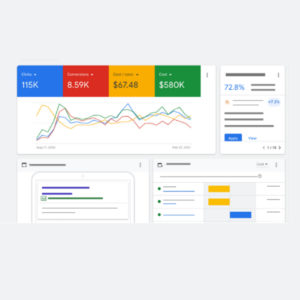
Google Ads, formerly known as Google AdWords, is an online advertising platform developed by Google. It allows businesses to create and run ads that appear on Google’s search engine and other Google properties. The primary goal of Google Ads is to help businesses promote their products and services by reaching potential customers who are actively searching for information related to what the business offers. Here are key components and features of Google Ads: Google Ads is a powerful tool for businesses of all sizes to reach their target audience, drive traffic, and achieve various marketing objectives. It is a pay-per-click (PPC) advertising platform, meaning businesses are charged only when users click on their ads. The platform is designed to be flexible, allowing advertisers to control their budgets, target specific audiences, and measure the success of their campaigns. Understanding and implementing Google Ads can be crucial for the success of a business for several reasons: 1. Increased Visibility and Reach: Google Ads provides businesses with a platform to reach a massive audience. Ads are displayed on the Google Search Network, Google Display Network, YouTube, and other partner websites, allowing businesses to extend their reach to potential customers. 2. Targeted Advertising: Google Ads allows for highly targeted advertising. Businesses can define their target audience based on factors such as keywords, location, demographics, interests, and online behavior. This precision targeting ensures that ads are shown to users who are more likely to be interested in the products or services offered. 3. Immediate Results: Unlike organic search engine optimization (SEO), which takes time to build results, Google Ads can generate immediate visibility for a business. This is particularly valuable for new businesses or those launching new products or services. 4. Cost Control: Google Ads operates on a pay-per-click (PPC) model, meaning businesses only pay when users click on their ads. This allows for precise budget control, and businesses can set daily or monthly spending limits to manage their advertising costs effectively. 5. Measurable Results: Google Ads provides detailed analytics and reporting tools that allow businesses to track the performance of their advertising campaigns. Key performance indicators (KPIs) such as clicks, impressions, conversion rates, and return on investment (ROI) can be measured and analyzed to optimize campaigns for better results. 6. Flexibility and Customization: Google Ads offers a high degree of flexibility. Businesses can create and modify ad campaigns quickly, adjust targeting parameters, and experiment with different ad formats. This flexibility allows for ongoing optimization to improve campaign performance. 7. Remarketing Opportunities: Google Ads allows businesses to implement remarketing strategies, targeting users who have previously visited their website but did not convert. This helps re-engage potential customers and can lead to higher conversion rates. 8. Local Business Exposure: For businesses with physical locations, Google Ads provides opportunities for local advertising. Advertisers can target specific geographic areas, ensuring that their ads are shown to users in proximity to their business. 9. Competitive Advantage: In highly competitive industries, Google Ads can provide a competitive advantage by ensuring that a business’s ads are prominently displayed above organic search results. This increased visibility can help capture the attention of potential customers ahead of competitors. 10. Adaptability to Marketing Goals:  Google Ads can be tailored to various marketing goals, such as brand awareness, lead generation, website traffic, or e-commerce sales. Businesses can choose the campaign type that aligns with their specific objectives. 11. Integration with Google Analytics:  Integration with Google Analytics allows businesses to gain deeper insights into user behavior and the performance of their website. This data can inform decision-making and help refine advertising strategies. 12. Global Reach:  Google Ads provides a platform for businesses to reach a global audience. Whether a business operates locally, nationally, or internationally, Google Ads allows for the customization of campaigns to suit the desired geographic reach. Understanding and implementing Google Ads effectively requires a strategic approach, ongoing monitoring, and optimization. When used strategically, Google Ads can be a powerful tool for driving targeted traffic, generating leads, and increasing overall business visibility and revenue.

Read More »

The Role of Content Marketing in Building Brand Authority – Digital Marketing Blog Article

Content marketing plays a crucial role in building brand authority by establishing a brand as a trusted source of valuable information within its industry or niche. Here’s how content marketing contributes to brand authority: 1. Expertise Demonstration: Through well-crafted content, a brand can showcase its expertise, knowledge, and understanding of the industry. In-depth and informative content positions the brand as an authority, earning the trust of its audience. 2. Educating the Audience: Content marketing allows a brand to educate its audience on relevant topics, trends, and industry insights. By providing valuable information, brands can empower their audience, positioning themselves as thought leaders and go-to sources for reliable information. 3. Building Credibility: Consistently delivering high-quality and accurate content helps build credibility. Brands that are perceived as credible and trustworthy are more likely to be seen as authorities in their field. 4. Thought Leadership: Content marketing enables a brand to establish itself as a thought leader. By offering unique perspectives, insights, and innovative ideas, a brand can set itself apart and become a go-to resource for industry-related discussions. 5. Building a Community: Brands that engage in content marketing often build communities around their content. This community engagement fosters a sense of belonging and loyalty, reinforcing the brand’s authority among its followers. 6. Addressing Pain Points: Content that addresses the challenges and pain points of the target audience demonstrates empathy and understanding. By providing solutions and valuable insights, a brand becomes a trusted advisor, reinforcing its authority. 7. Consistency and Frequency: Consistency in content creation and publishing is key to building brand authority. Regularly providing valuable content signals to the audience and search engines that the brand is active, knowledgeable, and committed. 8. Social Proof and Engagement: Content that generates social proof, such as likes, shares, comments, and positive reviews, contributes to building brand authority. Social engagement signals that the content is valuable and resonates with the audience. 9. Multichannel Presence: Distributing content across various channels (blogs, social media, podcasts, videos, etc.) increases a brand’s visibility. A multichannel approach allows the brand to reach a wider audience and reinforces its authority through diverse content formats. 10. Search Engine Visibility: Search engines favor fresh, relevant, and high-quality content. By optimizing content for search engines, a brand can improve its visibility in search results, attracting more organic traffic and further establishing its authority. 11. Building Trust Over Time: Trust is a critical component of brand authority. Content marketing, when done effectively, helps build trust gradually as audiences consistently find value in the content provided by the brand. 12. Adaptation to Industry Changes: Brands that stay current with industry trends and changes can use content marketing to share insights and adaptations. This responsiveness to industry developments reinforces a brand’s authority as it demonstrates a commitment to staying at the forefront of its field. In summary, content marketing is a powerful tool for building brand authority by showcasing expertise, providing value, building credibility, and fostering meaningful connections with the audience. Over time, a brand that consistently delivers high-quality content becomes synonymous with authority in its industry.

Read More »

How to Optimize Your Website for Search Engines (SEO)? – Digital Marketing Blog Article

Optimizing a website for search engines, also known as SEO (Search Engine Optimization), is crucial for improving its visibility in search engine results pages (SERPs). Here are key strategies to optimize your website for SEO: 1. Keyword Research: Identify relevant keywords and phrases that potential visitors might use to find your content. Use tools like Google Keyword Planner, SEMrush, or Ahrefs to discover keywords with high search volumes and relevance to your content. 2. Quality Content Creation: Produce high-quality, valuable, and relevant content. Search engines prioritize content that addresses users’ needs. Regularly update your website with fresh and engaging content, including blog posts, articles, and multimedia. 3. On-Page SEO: Optimize individual pages for search engines by:   Including target keywords in the title tag, meta description, and headers.   Using descriptive and keyword-rich URLs.   Adding alt text to images.   Ensuring content is well-organized with proper headings (H1, H2, etc.).   Implementing a clear and logical site structure. 4. Mobile Optimization: Ensure your website is mobile-friendly. Google prioritizes mobile-friendly websites in its rankings. Use responsive design to provide a seamless experience across different devices. 5. Page Speed Optimization: Improve your website’s loading speed. Slow-loading pages can negatively impact user experience and search rankings. Compress images, leverage browser caching, and minimize code to enhance page speed. 6. User Experience (UX) Optimization: Create a positive user experience by ensuring easy navigation, clear calls-to-action, and a user-friendly design. A good user experience can lead to higher engagement and better search rankings. 7. Secure and Accessible Website: Implement HTTPS to ensure a secure connection. Search engines may favor secure websites. Additionally, make sure your website is accessible to users with disabilities, as this is an important aspect of user experience. 8. Social Media Integration: Integrate social media sharing buttons to encourage content sharing. Social signals may indirectly influence search rankings, and shared content can drive traffic to your site. 9. Backlink Building: Earn high-quality backlinks from reputable websites. Backlinks are an essential ranking factor, and search engines view them as a sign of a trustworthy and authoritative website. Focus on quality over quantity. 10. Local SEO Optimization:  If your business has a physical location, optimize for local search by creating and claiming a Google My Business listing. Ensure accurate and consistent business information across online directories. 11. Technical SEO:  Address technical aspects of SEO, such as:    XML sitemap creation and submission.    Robots.txt file optimization.    Canonicalization to avoid duplicate content issues.    Proper use of header tags. 12. Regular Monitoring and Analysis:  Use tools like Google Analytics, Google Search Console, and other SEO tools to monitor your website’s performance. Analyze key metrics, track keyword rankings, and identify areas for improvement. 13. Content Formatting and Structure:  Break up content into digestible sections with clear headings. Use bullet points and numbered lists to improve readability. Structured and well-formatted content is more appealing to both users and search engines. 14. Schema Markup:  Implement schema markup to provide additional context to search engines about your content. This can enhance the visibility of your content in rich snippets and other special search result features. SEO is an ongoing process, and results may take time. Regularly update and refine your strategies based on changes in search engine algorithms and user behavior.

Read More »

Effective Strategies for Social Media Advertising

Social media advertising holds significant importance for businesses in today’s digital landscape. Social media platforms provide a vast audience, allowing businesses to increase their brand visibility among a diverse group of users. Through targeted advertising, businesses can reach specific demographics and geographical locations, enhancing brand recognition. These platforms offer sophisticated targeting options, allowing businesses to reach their ideal audience based on demographics, interests, behaviors, and other criteria. This precision targeting ensures that ads are shown to users who are more likely to be interested in the products or services offered. Social media advertising is a powerful tool for businesses to connect with their audience, drive engagement, and achieve a variety of business objectives. Its importance continues to grow as digital communication becomes increasingly central to consumers’ lives. Effective social media advertising requires a thoughtful approach that aligns with your business goals and engages your target audience. Here are some strategies to enhance the effectiveness of your social media advertising: 1. Define Clear Objectives: Clearly outline your advertising goals. Whether it’s increasing brand awareness, driving website traffic, or boosting sales, having specific objectives will guide your strategy. 2. Know Your Audience: Understand your target audience’s demographics, interests, and behaviors. Tailor your content to resonate with them, and use targeting options provided by social media platforms to reach the right people. 3. Choose the Right Platforms: Select social media platforms that align with your audience and business. Each platform has its own strengths and user demographics, so focus on the ones most relevant to your goals. 4. Compelling Visuals and Copy: Create eye-catching visuals and compelling copy that grab attention and communicate your message effectively. Use high-quality images, videos, and concise, engaging text. 5. Utilize Video Content: Video content tends to perform well on social media. Create engaging and shareable videos that tell your brand story, showcase products, or provide valuable information. 6. Consistent Branding: Maintain a consistent brand image across all social media platforms. Use the same logo, colors, and messaging to build brand recognition and trust. 7. Leverage User-Generated Content (UGC): Encourage your audience to create and share content related to your brand. User-generated content adds authenticity and can serve as powerful social proof. 8. Run Contests and Giveaways: Contests and giveaways can generate excitement and increase engagement. Require participants to share, like, or comment for a chance to win, helping to boost your reach. 9. Use Social Proof: Showcase positive reviews, testimonials, and endorsements to build trust. People are more likely to engage with content if they see that others have had a positive experience. 10. Implement Retargeting:  Use retargeting ads to reach users who have previously interacted with your brand but didn’t convert. This helps to keep your brand top-of-mind and encourages them to take further action. 11. Track and Analyze Performance:  Monitor key performance indicators (KPIs) such as click-through rates, conversions, and engagement. Analyze the data to understand what is working and adjust your strategy accordingly. 12. Stay Updated on Algorithms and Trends:  Social media algorithms change, and trends evolve. Stay informed about platform updates, new features, and emerging trends to adapt your strategy and stay relevant. 13. Mobile Optimization:  Ensure that your ads are optimized for mobile devices, as a significant portion of social media users access platforms on their smartphones. 14. Adapt to Ad Formats:  Each social media platform offers various ad formats. Experiment with different formats like carousel ads, stories, and sponsored posts to see what resonates best with your audience. Social media advertising is an ongoing process of testing, learning, and optimizing. Regularly assess your performance metrics and adjust your strategy to better meet your objectives and audience preferences.

Read More »

The Impact of Video Marketing on Audience Engagement

Video marketing in social media refers to the use of video content to promote, advertise, and engage with an audience on various social media platforms. It involves creating and sharing videos that are specifically tailored for social media channels to achieve marketing objectives. Video marketing on social media can take various forms, including short-form videos, long-form videos, live videos, and more. Social media video content can vary widely, including product demonstrations, tutorials, behind-the-scenes footage, interviews, testimonials, and promotional videos. The type of content depends on the platform, target audience, and marketing goals. Video marketing has a profound impact on audience engagement in the digital landscape. Here are several ways in which it influences and enhances engagement: 1. Higher Engagement Rates: Videos often capture attention more effectively than text or static images. Engaging visuals, combined with audio, create a multisensory experience that tends to keep viewers more engaged. 2. Improved Information Retention: The combination of audio and visual elements makes it easier for viewers to retain information. A well-crafted video can convey complex messages in a more digestible and memorable way. 3. Enhanced Emotional Connection: Videos have the power to evoke emotions, which can create a stronger connection between the audience and the brand. Emotional storytelling in videos helps in building trust and loyalty. 4. Increased Shareability: Social media platforms prioritize video content, and users are more likely to share videos than other types of content. This sharing behavior can significantly extend the reach of your message. 5. Boost in Conversions: Video content can lead to higher conversion rates. Whether it’s a product demo, customer testimonial, or explainer video, the dynamic nature of video can convince viewers to take desired actions. 6. Better SEO Performance: Search engines often favor video content, and websites with engaging videos are more likely to rank higher in search results. This can increase visibility and drive organic traffic to your site. 7. Diversified Content Strategy: Including videos as part of your content strategy diversifies your content and caters to different preferences within your audience. Not everyone prefers to consume information in the same format, so offering variety increases your overall engagement. 8. Live Video Interaction: Platforms like Facebook, Instagram, and YouTube offer live video features, allowing real-time interaction with the audience. This immediate engagement can lead to increased comments, likes, and shares. 9. Accessibility and Mobile Optimization: With the prevalence of smartphones, people can easily consume video content on the go. Mobile optimization ensures that your videos reach audiences wherever they are, contributing to increased engagement. 10. Interactive Video Elements: Including interactive elements in videos, such as polls, quizzes, or clickable links, encourages active participation from the audience, turning them from passive viewers into engaged participants. Video marketing on social media is a dynamic and evolving field, and staying updated on platform changes, trends, and audience preferences is crucial for success. It’s a powerful tool for building brand awareness, engaging with followers, and driving business objectives in the digital age. It’s a powerful tool for boosting audience engagement by providing a dynamic, memorable, and emotionally resonant way to convey information. Integrating video into your overall digital marketing strategy can have a substantial impact on the way your audience interacts with and responds to your content.

Read More »

Importance of Instagram in Digital Media Marketing

There are currently over 2.35 billion monthly active Instagram users. This number makes Instagram the 4th most popular social media in the world in terms of MAUs. The platform is estimated to reach over 2.5 billion by the end of 2023. 47.84% of the world’s 4.18 billion smartphone users access Instagram every month. Instagram plays a significant role in digital media marketing due to its popularity, visual-centric nature, and diverse user base. Here are several reasons highlighting the importance of Instagram in digital media marketing: In summary, Instagram is a versatile and influential platform that provides businesses with unique opportunities for brand promotion, engagement, and sales. As part of a comprehensive digital media marketing strategy, Instagram can contribute significantly to building brand awareness and fostering meaningful connections with the target audience.

Read More »

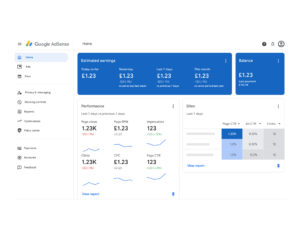
How Can You Earn Money from Google Adsense?

Earning money from Google AdSense involves displaying ads on your website or online content and earning revenue when visitors interact with those ads. Here’s a step-by-step guide on how to earn money through Google AdSense: Remember that success with AdSense often requires time and consistent effort. Building a solid online presence, creating valuable content, and optimizing ad placement are key factors in maximizing your AdSense earnings. Additionally, staying informed about industry trends and best practices can help you adapt your strategy for better results.

Read More »

How does Google Ads Help Increase Sales?

Google Ads is a powerful online advertising platform that can significantly contribute to increasing sales for businesses. Here are several ways in which Google Ads can help boost sales: By leveraging these features and strategies within Google Ads, businesses can create targeted, data-driven campaigns that increase visibility, drive traffic, and ultimately lead to higher sales. It’s important to continuously monitor and optimize your campaigns to achieve the best possible results.

Read More »

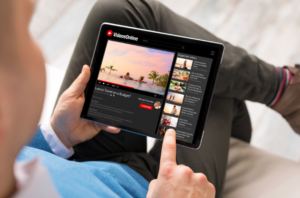
When Can You Start Running Ads and Earn Money from Your YouTube Videos?

YouTube is an immensely powerful platform with a global reach and a diverse user base. Its power lies in several key aspects: Earning money from YouTube involves creating and sharing video content on the platform and monetizing that content through various revenue streams. Here are the primary ways to make money on YouTube: To start earning money on YouTube, follow these steps: Remember that building a successful YouTube channel and earning a substantial income takes time and effort. It’s essential to stay committed, adapt to changes in the platform’s policies and algorithms, and continuously improve your content to meet your audience’s needs and preferences.

Read More »

How to Earn Money Using Pinterest?

465 million people use Pinterest every month to find ideas and inspire their next purchase (Source: Hootsuite). If Pinterest were a country, it would surpass the United States as the third largest in the world. Pinterest is a powerful social media platform, particularly for certain types of users and businesses. Its strength lies in its unique visual and discovery-focused nature, which sets it apart from other social media platforms like Facebook, Twitter, or Instagram. Pinterest can be a powerful platform for driving traffic, generating leads, and increasing brand visibility, particularly for businesses and content creators in visually appealing and inspiration-focused niches. Success on Pinterest often requires a well-thought-out strategy and a commitment to creating high-quality and engaging pins. Here are some key aspects that make Pinterest powerful: HOW TO EARN MONEY USING PINTEREST? Earning money through Pinterest marketing involves leveraging the platform to promote products, services, or content in a way that generates income. Here are several strategies for making money through Pinterest marketing: To be successful with Pinterest marketing, it’s essential to create visually appealing pins, engage with your audience, and consistently share valuable content related to your niche or industry. Additionally, be sure to follow Pinterest’s guidelines and best practices to maximize your reach and impact on the platform.

Read More »

Facebook Advertising

Facebook advertising refers to the process of promoting products, services, or content on the Facebook platform through paid advertisements. Facebook, as one of the world’s largest social media platforms, offers a robust advertising platform that allows businesses and individuals to create and target ads to specific audiences based on a variety of demographics, interests, and behaviors. Here are some key components and features of Facebook advertising: Facebook advertising can be an effective way to reach a highly targeted audience, increase brand awareness, drive website traffic, generate leads, and boost sales. Advertisers can start with a small budget and gradually scale up their campaigns as they see positive results. It’s important to plan and strategize your Facebook advertising campaigns carefully to achieve your specific marketing objectives.

Read More »
Call us